
Social value that changes lives
You’re delivering services that need real outcomes for real people — employment targets, community engagement, and other social value commitments. The pressure to evidence impact is rising.
Change That Matters delivers social value that produces measurable outcomes for the people other services struggle to reach.
Through Refilling the Well, a nervous-system-informed programme that gets people ready for work and life, one-to-one wrap-around support and genuine community engagement, we get results by starting where people actually are, and we give you the TOMs evidence to prove it.
Founded by Andrea Gewessler, London and the UK.
Outcomes | Stats
%
into employment
%
of the men's group, in work by week 6 of 11.
%
retention with hard-to-reach communities
%
improvement in wellbeing scores
Why standard approaches miss the people who need it most
Most employability provision assumes people are ready to job-search and just need the right opportunity or job-search skills. For many, that’s true. For people who’ve been out of the job market a long time, or who are dealing with mental health needs, early adversity or neurodivergence, it often isn’t enough.
We ask people who are out of work to do their hardest cognitive and emotional labour, writing CVs, sitting interviews, tolerating rejection, holding motivation through weeks of silence, at exactly the moment their nervous systems are least able to. Long-term unemployment is itself a chronic stress, and it usually sits on top of others, financial, housing, health or relational, that are already dominating someone’s life.
Chronic stress weakens the prefrontal cortex (planning, memory, self-regulation) and strengthens the brain’s threat circuitry (Arnsten, Yale). The thinking brain you need for job-seeking is the part stress compromises first. This is a biology problem, not a motivation problem.
Unemployment also attacks, all at once, the six things the brain treats as survival needs: status, certainty, autonomy, relatedness, fairness and competence (the SCARF-C model, from Rock with Deci and Ryan). Many people are carrying earlier adversity on top of that. So the honest position is simple: until you settle the nervous system, the skills training can’t land. Regulation isn’t a soft warm-up. It’s the thing that makes everything else possible.
A nervous-system-informed employability programme that reaches the people others can’t
Refilling the Well. Proven with jobseekers. Built for anyone facing complex barriers.
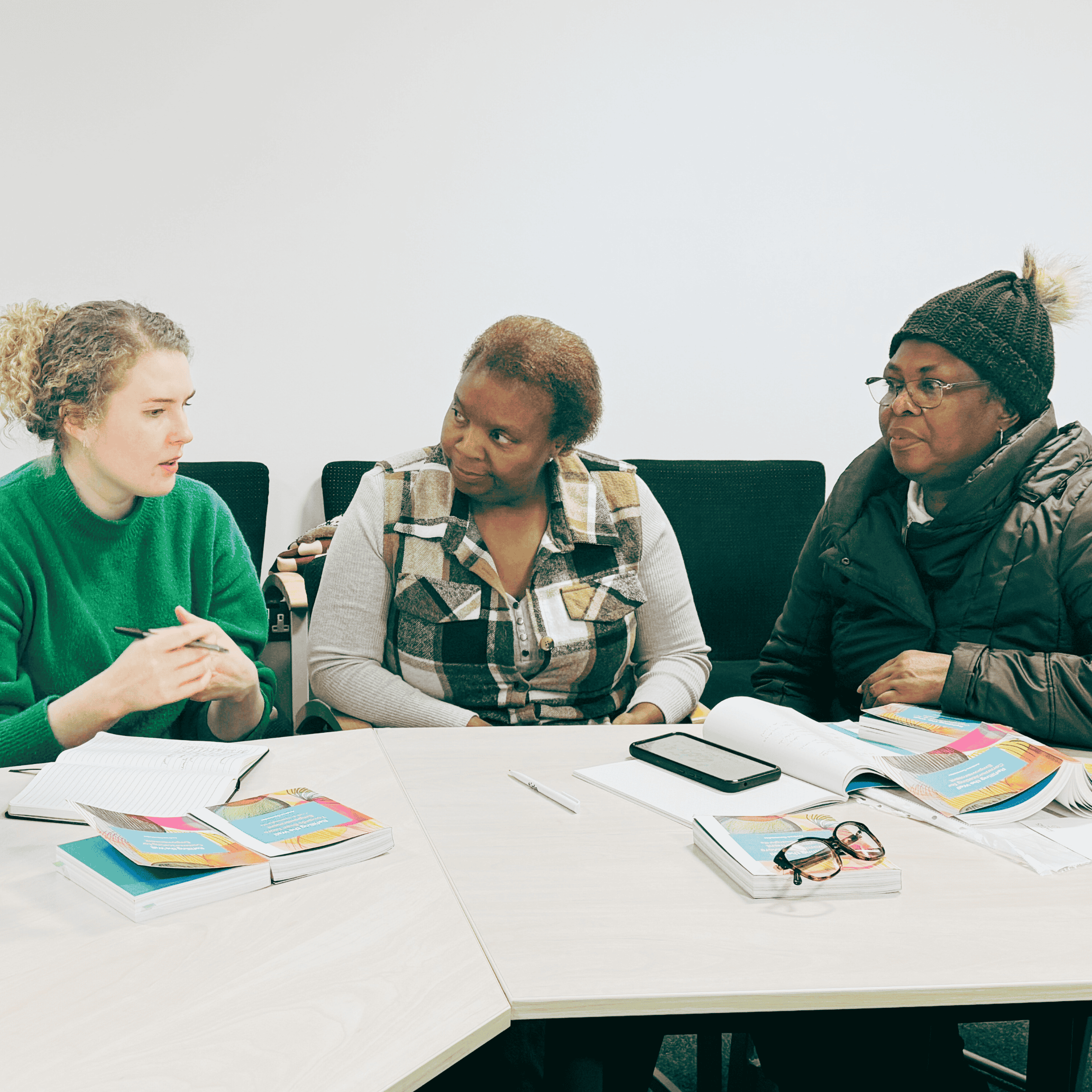
Eleven weeks, in a group, three and a half hours a week, with a predictable rhythm that does its own quiet regulating work. It runs in three phases, in a deliberate order: regulate first (nervous system literacy, co-regulation, self-compassion), then work with the patterns that keep people stuck, then build practical skills for work and life. It draws on polyvagal theory, the SCARF-C framework, ACT and somatic regulation practices.
The programme starts with a coffee morning. No commitment, just a chance to see how it works, get familiar with each other, and decide whether it’s for them. If it isn’t, far better to know now. Then eleven weeks, because feeling safe can’t be crammed. You could probably teach the ideas in five or six sessions, but safety, and the change that grows from it, only build through repeated experience over time.
That’s why it’s eleven, not six: the brain is plastic, but it rewires by living something again and again.
It runs in one unbroken block, the length of a term, with no breaks. Breaks are where people fall away, a fortnight off and a wary nervous system finds reasons not to come back. Keeping the group together week after week is a big part of why retention runs at 91%, and the rhythm does more than hold people: showing up at a set time and place, week after week, rebuilds the habit work depends on, getting up, getting there, being somewhere regularly with others. The routine is part of the preparation.
The group is where felt safety gets rebuilt. Nervous systems settle in the company of others who feel safe, and shame loses its grip when people realise they share the same challenges. It does something else too: it rebuilds the things work actually depends on, communicating, collaborating, problem-solving, helping each other out. In the nutrition session, everyone gets a bag of food, and they start bartering it, swapping what they don’t want, volunteering to share things round and help the next person. That’s a long way from sitting in a room together. It’s a group already working as a team.
Through Refilling the Well you deliver against the National TOMs Work theme, specifically NT11, personalised support to help unemployed people into work. NT11 credits the support itself, measured in attendee-hours, rather than the job outcome, which employers capture separately. We give you the figures to report it: session hours, attendance, and the wellbeing and readiness gains alongside. (We confirm acceptance under NT11 with your social value assessor.)
Refilling the Well has been delivered nine times for Bexley Business and Employment, now in its second year of Trailblazer funding.
We don’t promise to fix anything in a day. We give your team a real start and show them how to keep building.
“Andrea creates a safe, inclusive, and supportive learning environment enabling participants to engage fully and develop confidence. Feedback highlighted Andrea’s empathetic approach and understanding of their circumstances, leading to positive outcomes. Participants reported an increase in their job-search resilience, motivation, and readiness to take proactive steps toward sustainable employment.”
One-to-one wrap-around support (optional add-on)
One-to-one wrap-around support is available as a separate option you can commission alongside the group programme. It includes Refilling the Well implementation coaching, help with job search and CV writing, support for clients with ADHD around planning, procrastination and negative self-image, and coaching on using AI as a thinking partner for job search, problem-solving and wellbeing.
The Missing Conversation:Community engagement that goes beyond a consultation event
You’ve won the contract, IT services, a new school, facilities, employment support. That’s your expertise. But the contract also asks you to engage the local community, and that’s a different skill set. That’s where we come in. We use top-class facilitation processes, chosen flexibly for the issue, the number of people, the venue, the time and the budget. What they share: they help people think together, welcome difference of thought, stay solution-focused without toxic positivity, and give communities a real sense of agency and belonging. It’s often the missing conversation. We can help with follow-up and action planning too.
In their words
“Taking part in the Refilling the Well programme over the past 11 weeks has been a genuinely positive experience. Before starting, I felt drained and overwhelmed, but the programme helped me slow down, reflect, and rebuild my wellbeing.
The sessions were well structured, with a good balance of discussion and reflection. Topics such as self-compassion, stress management, Punch, Judy and the Crocodile, understanding the nervous system, and building healthy habits were highly relevant and offered practical tools I can continue to use.
One of the most valuable aspects was Andrea’s supportive and compassionate approach. Sharing experiences with others and feeling truly listened to helped me realise I’m not alone, which greatly boosted my confidence and motivation.
Overall, I feel more balanced, self-aware, and better equipped to manage life’s challenges. I would definitely recommend Refilling the Well to anyone looking to restore their wellbeing and putting it to practice.”
“This programme made me open my mind to others. I now can actually speak to others without much fear of mistakes or rejections. I can handle those with more confident and calm state of mind. I never had these kinds of activities in my life. I feel I am much less isolated and more connected to the world around me.”
“Helped me to gain a better overall understanding of myself and people in general. To be able to use the key nervous system aspect of myself to better my future. Learnt to be more confident in myself so that it not only can benefit me but that I can use it in different ways to benefit others where needed.”

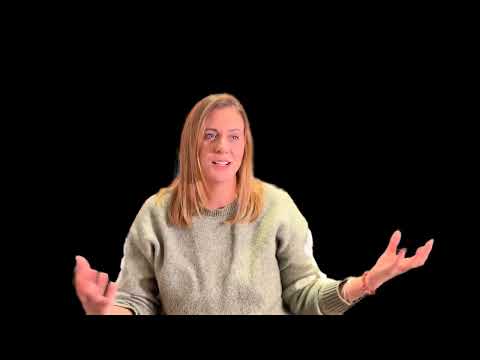


As featured by Cornwall Mind
Andrea and a Refilling the Well participant talk to Cornwall Mind's "A Space to Speak Your Mind" about unemployment, mental health, and what changes when you start with the nervous system.

FAQs
Why do we need this?
Because conventional employment support assumes people are ready to job-search and just need the right opportunity. For many that’s true. But for people who’ve been out of work a long time, or who are managing mental ill-health, caring responsibilities, early adversity or neurodivergence, it isn’t enough. Chronic stress weakens the thinking brain that CVs, interviews and persistence rely on, and strengthens the threat response, so it’s a biology problem, not a motivation problem. Refilling the Well settles the nervous system first, so the employment support that follows can actually land. The outcomes bear it out: 50% into work within three months, and 91% retention with people other provision struggles to keep.
Why does it need to be 11 weeks?
Because feeling safe can’t be crammed. You could teach the ideas in five or six sessions, but safety, and the change that grows from it, only build through repeated experience over time. The eleven weeks run as one unbroken block, the length of a term, with no breaks, because breaks are where people drift away. That continuity is a big part of why retention runs at 91%, and the weekly rhythm itself rebuilds the habit work depends on: getting up, getting somewhere on time, being part of something regular.
How will participants actually benefit?
They leave calmer, more confident and less isolated, with practical tools they keep using long after, breathing, grounding, and ways of catching themselves before they spiral. Many move into work or training; others rebuild the foundation that makes that step possible. In their own words: more positive, more self-aware, “I now know what I’m capable of,” and, in one case, back into work and finishing support-worker training. The change often spreads too, to families and the people around them.
What’s made the course successful to date?
A few things have made the difference. The partnership with Bexley Business and Employment has been excellent: they treat us as a valued partner, and communication between their team and Change That Matters is genuinely two-way. Recruitment is voluntary, nobody is made to register, but once people join, the group agrees that missing a session is fine for a good reason, illness, an interview, an important appointment, and not fine to simply not turn up. Most participants respect that. And the atmosphere is heartfelt rather than transactional – alongside strong content, there’s genuine care, and everyone is treated as a valued individual.
Is there funding for this, and how do organisations usually pay?
There are several routes, depending on who you are. If you’re a contractor with social value commitments, it’s funded from your social value budget and counts toward the National TOMs, specifically NT11, personalised support to help unemployed people into work (the Social value tab explains how). If you’re a council or employability provider, it can sit within employment-support or Trailblazer funding, and it’s the kind of readiness provision the new Connect to Work programme is built around. The honest answer is that it depends on your context, so the best next step is a conversation, and we’ll find the route that fits.
What does it cost beyond your fee?
Our fee covers the design, the delivery, the course books, a dedicated WhatsApp group for the duration of the course, and resources written by Andrea Gewessler, plus extras like a food session where participants take home a bag of groceries. You recruit the participants, since you know your cohort best, provide a suitable room and light refreshments, and ideally cover participants’ travel, because a bus fare can be the difference between someone attending and not.

Making People Matter
Real change starts with a real conversation
Whether your team is stuck, your social value commitments need delivering, or you’re simply curious about what working with the nervous system could do for your organisation, I’d welcome a conversation. No scripts, no pressure.